
Gluten-Free Flours
Walk into any modern bakery today and you’ll see a quiet revolution. Behind the counters, pastry chefs whisk silky batters made from almond flour, proof breads enriched with psyllium gel, and fold airy sponge cakes using potato starch and rice flour — all without a trace of wheat.
Gluten-free baking is no longer a compromise; it’s a craft. With the right flours, you can bake breads that rise tall, cakes that feel cloud-soft, and pasta that holds a perfect bite. And whether you’re here because your body said “no more gluten,” or you simply love exploring new ingredients, this guide gives you everything you need to bake with confidence and creativity.
This isn’t just about substitutions — it’s about understanding flavor, structure, aroma, and texture the way chefs do.
Before we go deeper, if you haven’t yet, explore our baking foundation – How to Make Soft, Fluffy Gluten-Free Bread at Home
Now, let’s build your gluten-free flour mastery.
Why Gluten-Free Flours Matter
Traditional wheat flour does two things that matter most in baking:
- Builds structure (through gluten)
- Traps air for rise
When gluten leaves the room, we replace it with:
- Protein-rich grains
- Light starches for softness
- Hydrocolloids (like psyllium) for elasticity
- Balanced hydration for lift
Understanding flours is the backbone of gluten-free success — especially if you’re tired of crumbly loaves or dense, gummy muffins.
Science reference: National Library of Medecine: Effect of gluten-free diet and antibiotics
The Core Types of Gluten-Free Flours
1. Rice Flour (White & Brown)
Flavor: Mild, neutral
Texture: Light, delicate crumb
Best for: Cookies, muffins, pancakes, batter-coated frying
| Type | Notes |
| White Rice Flour | Lighter, softer crumb |
| Brown Rice Flour | Slightly nutty, more nutrition |
Chef Tip: Always pair rice flour with starch + binder to avoid a gritty crumb.
2. Almond Flour
Flavor: Sweet, buttery
Texture: Moist & tender
Best for: Cakes, cookies, quick breads
Benefits:
- High protein + healthy fat
- Rich mouthfeel
- Gorgeous browning
Chef Insight: Combine with tapioca starch (70/30) for perfect cookies.
3. Sorghum Flour
Flavor: Warm, wheat-like
Texture: Soft, fluffy structure
Best for: Bread, chapati, waffles
Why bakers love it: It mimics wheat flavor better than any GF flour.
4. Tapioca Starch
Flavor: Mild
Texture: Chewy, stretchy, crisp crusts
Best for: Bread, pizza, tortillas
Key magic: Oven spring + chew + shine
5. Potato Starch
Not to confuse with potato flour.
Texture: Light, silky, moisture-retentive
Best for: Soft crumb breads, cakes, doughnuts
Chef Tip: Too much makes bakes gummy — balance it.
6. Oat Flour (Certified Gluten-Free)
Flavor: Soft, cozy, slightly sweet
Best for: Muffins, breakfast bakes, pancakes
Nutrition: Fiber-rich, heart-healthy
If you can tolerate certified GF oats, it’s a must-have for texture.
7. Buckwheat Flour
Flavor: Deep, earthy
Best for: Crepes, waffles, rustic bread
Pairs beautifully with sorghum and rice flour.
8. Chickpea (Garbanzo) Flour
Flavor: Savory, nutty
Best for: Flatbreads, veggie fritters, thickening
Chef Use: The secret to creamy gluten-free sauces + homemade gnocchi.
9. Coconut Flour
Flavor: Sweet, tropical aroma
Behavior: Highly absorbent — needs more liquid & eggs
Best for: Keto bakes, pancakes, snack cakes
Rule: 1 tbsp coconut flour ≈ ¼ cup of other flours
10. Psyllium Husk Powder
Bonus — not a flour, but your gluten replacement.
Creates:
- Stretch & elasticity
- Lift & chew
- Sliceable structure
Use 2–4 tsp per loaf.
Chef Formula: Gluten-Free Flour Blend
Gluten-Free Flours
Gluten-Free Flours
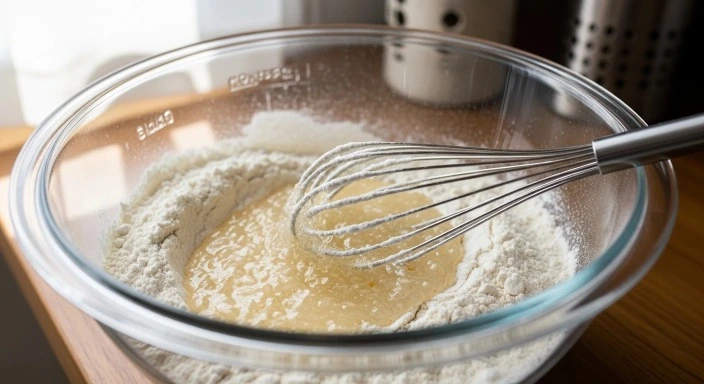
Here’s a pro-level everyday blend:
| Flour | Percentage |
| Brown Rice Flour | 40% |
| Tapioca Starch | 25% |
| Potato Starch | 20% |
| Sorghum Flour | 10% |
| Psyllium | 5% |
Conversion batch:
- 2 cups brown rice flour
- 1¼ cups tapioca
- 1 cup potato starch
- ½ cup sorghum
- 2 tbsp psyllium
Use for breads, muffins, pancakes.
Best Flours by Recipe
| Category | Best Picks |
| Bread | Sorghum + Rice + Psyllium |
| Pizza | Tapioca + Potato + Almond |
| Cakes | Rice + Potato + Almond |
| Muffins | Oat + Rice + Almond |
| Pasta | Rice + Tapioca + Egg yolk richness |
| Frying Batter | Rice + Cornstarch |
Hydration Matters
Gluten-free flours need more water.
Guideline:
- Bread: 90–110% hydration
- Cakes: 70–80%
- Pancake batter: loose, pourable
Add warm water for better yeast activation.
Troubleshooting Guide
Gluten-Free Flours
Gluten-Free Flours
| Problem | Fix |
| Gritty texture | Use superfine flours + rest batter 30 mins |
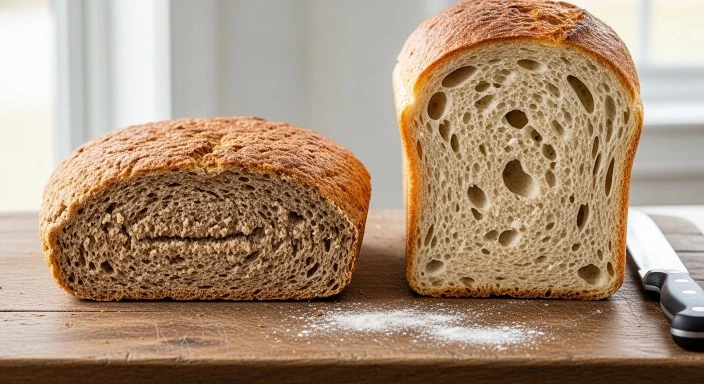
| Dense loaf | Add hydration + psyllium |
| Crumbly | Increase starch or binder |
| Gummy | Reduce starch + bake longer |
Printable-Style Cheatsheet
Always mix:
- 1 base grain flour
- 1–2 starches
- 1 binder (psyllium/xanthan)
Taste pairings:
- Almond + honey + citrus = bakery-worthy cakes
- Sorghum + yeast + psyllium = wheat-like bread
- Rice + tapioca = silky noodles
Final Thought — The Flour Is Your Foundation
Gluten-free baking shines when you understand your ingredients — not when you chase one-to-one swaps.
With the right blends, hydration, and patience, your breads rise higher, your cakes stay tender, and your kitchen becomes a place of discovery.
Every flour brings personality.
Every bake builds mastery.
And every crumb tells the story of care.
Ready to keep mastering gluten-free baking?
Explore next: How to Make Soft, Fluffy Gluten-Free Bread at Home