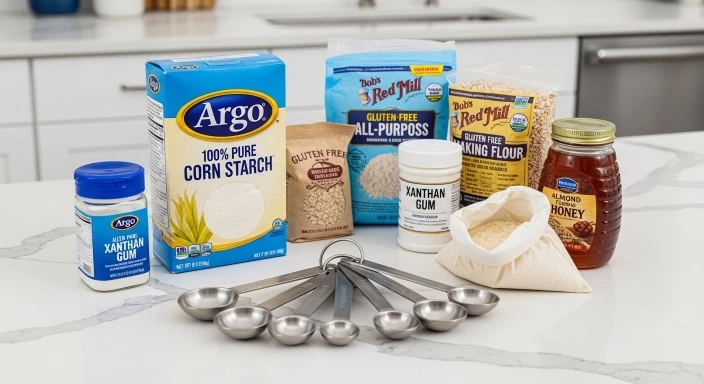
If you’ve ever stood in your kitchen holding a box of cornstarch and wondering, “Wait… is cornstarch gluten free?” — you’re not alone.
Cornstarch feels like it should be safe. It’s made from corn. It’s white and powdery and doesn’t look anything like wheat flour. But in the gluten-free world, we’ve all learned one thing the hard way: what “should” be safe isn’t always safe.
So let’s clear this up properly.
Yes — cornstarch is naturally gluten free.
But that’s not the full story.
The confusion usually isn’t about the corn itself. It’s about cross-contact, labeling, shared facilities, and how cornstarch is used in processed foods. That’s where most people get it wrong.
In this guide, we’ll break down:
- Whether cornstarch contains gluten
- When it might not be safe
- How to read labels correctly
- Cornstarch vs flour comparisons
- Whether cornstarch is safe for celiac disease
- Common mistakes gluten-free eaters make
If you rely on cornstarch for sauces, baking, soups, or desserts, this is worth understanding fully.
Is Cornstarch Gluten Free?
Let’s start with the clear answer.
Yes. Pure cornstarch is gluten free.
Cornstarch is made from the endosperm of corn kernels. Corn does not contain gluten. Gluten is found in wheat, barley, and rye — not corn.
So from a biological standpoint, cornstarch does not contain gluten proteins.
The confusion begins elsewhere.
What Most People Get Wrong About Cornstarch
Most people assume the only thing that matters is the ingredient itself. But gluten safety involves more than the source grain.
Here’s where mistakes happen:
1. Assuming All Cornstarch Is Automatically Safe
While cornstarch itself is gluten free, not all cornstarch products are processed in gluten-free facilities.
Cross-contact can occur:
- During manufacturing
- During packaging
- In shared facilities that handle wheat
For people with celiac disease, even trace amounts matter.
The Celiac Disease Foundation explains cross-contact clearly here:
2. Confusing Cornstarch with Corn Flour
Cornstarch and corn flour are not the same.
- Cornstarch = pure starch from corn
- Corn flour = finely ground whole corn
Corn flour can sometimes be processed in facilities that handle wheat. Always check labeling carefully.
3. Overlooking Cornstarch in Processed Foods
Cornstarch appears in:
- Sauces
- Gravies
- Soups
- Puddings
- Candy
- Powdered sugar
In packaged foods, cornstarch may be safe — but other ingredients may not be.
For a deeper look at ingredient behavior in gluten-free cooking, this foundational guide is helpful:
Is Cornstarch Safe for Celiac Disease?
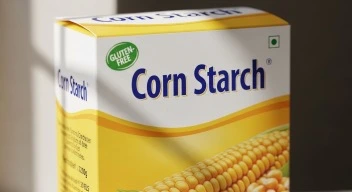
In most cases, yes.
Pure, uncontaminated cornstarch is considered safe for people with celiac disease. However, individuals with high sensitivity should:
- Look for “gluten free” labeling
- Check allergen statements
- Avoid bulk bins
- Contact manufacturers if unsure
The Mayo Clinic provides additional guidance on gluten exposure and celiac disease here:
How to Tell If Cornstarch Is Gluten Free
Here’s what to look for on the label:
✔ Simple Ingredient List
“Cornstarch” should be the only ingredient.
✔ Gluten-Free Certification
Certification adds another layer of reassurance.
✔ Allergen Statement
Look for “Contains wheat” or “May contain wheat.”
Avoid:
- Products with vague “natural starch” labeling
- Imported brands without allergen clarity
- Bulk bins where cross-contact risk is higher
Why Cornstarch Is So Common in Gluten-Free Cooking
Cornstarch is one of the most useful gluten-free kitchen staples.
It:
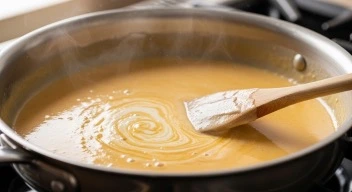
- Thickens sauces without flour
- Creates crisp coatings when frying
- Lightens gluten-free baked goods
- Stabilizes puddings and custards
For example, cornstarch plays a key role in gluten-free desserts like.
It’s also used to thicken caramel and dessert sauces safely.
Cornstarch vs Flour: What’s the Difference?
Understanding this helps prevent recipe mistakes.
| Cornstarch | Wheat Flour |
| Pure starch | Contains gluten |
| Thickens quickly | Thickens gradually |
| Glossy sauces | Opaque sauces |
| Gluten free | Not gluten free |
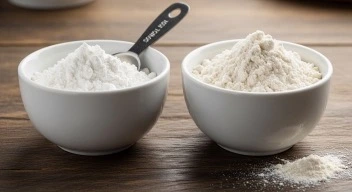
Cornstarch thickens at a lower temperature and creates a smooth, glossy texture. Wheat flour creates a more opaque result and requires longer cooking.
Does Cornstarch Contain Wheat?
No. Cornstarch is derived entirely from corn.
However, in rare cases, wheat starch may appear in some products — particularly outside the U.S. Always check the ingredient list.
Healthline explains gluten-containing grains in detail here
Hidden Gluten Risks in Cornstarch Products
Even though cornstarch itself is gluten free, you should be cautious when it appears in:
- Seasoned coating mixes
- Gravy packets
- Instant pudding mixes
- Powdered sugar blends
- Candy coatings
In these cases, cornstarch is often safe — but added flavorings may not be.
Is Cornstarch Gluten Free When Used in Restaurants?
This depends entirely on kitchen practices.
Potential risks include:
- Shared fryers
- Cross-contact in prep areas
- Flour contamination in thickened sauces
If you’re dining out and sensitive to gluten, ask how sauces are thickened and whether the cornstarch is stored separately from wheat flour.
Can You Substitute Cornstarch in Gluten-Free Recipes?
Yes — and it’s often essential.
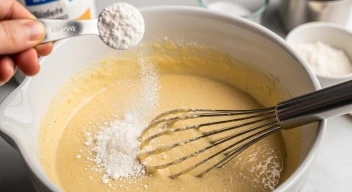
Cornstarch helps:
- Soften gluten-free cakes
- Prevent dense textures
- Improve crispness
If you’re experimenting with gluten-free baking, pairing cornstarch with flour blends improves structure. This related baking basics article can help.
How to Store Cornstarch Safely
Even safe ingredients can become contaminated at home.
Store cornstarch:
- In a sealed container
- Away from wheat flour
- With a dedicated scoop
If your kitchen contains both gluten and gluten-free ingredients, separation matters.
Short FAQ: Is Cornstarch Gluten Free?
Is cornstarch always gluten free?
Pure cornstarch is gluten free, but cross-contact can occur.
Can people with celiac disease eat cornstarch?
Yes, when it’s certified gluten free or processed safely.
Does cornstarch contain wheat?
No, cornstarch is made from corn.
Is corn flour the same as cornstarch?
No. They are different products and may differ in safety.
Is cornstarch safe for thickening gluten-free gravy?
Yes, and it’s one of the most common gluten-free thickening agents.
Final Thoughts: Yes, Cornstarch Is Gluten Free — But Details Matter
Cornstarch itself is gluten free. That part is simple.
The nuance comes from labeling, cross-contact, and how cornstarch is used in packaged foods or restaurants.
If you:
- Choose reputable brands
- Read labels carefully
- Store it properly
- Avoid cross-contact
Cornstarch becomes one of the safest and most versatile gluten-free kitchen staples you can use.
Understanding these small details helps you cook with more confidence — and less second-guessing.
Our Authority Sources
- Celiac Disease Foundation – Overview of gluten and cross-contact
- Mayo Clinic – Celiac disease guidance
- Healthline – Gluten-free diet overview
- Beyond Celiac – Label reading and hidden gluten