

Almond flour desserts
There’s a reason almond flour has quietly become the darling of the gluten-free baking world. It’s luxurious yet wholesome, rich yet delicate, and—when used well—it turns everyday desserts into patisserie-level creations.
Imagine the tender crumb of a chocolate torte that melts on your tongue. The chewy edges of cookies that taste like toasted marzipan. The buttery aroma of a golden almond cake cooling on the counter. That’s the magic of almond flour: indulgence without compromise.
Unlike many gluten-free flours that try to imitate wheat, almond flour brings its own identity—nutty, moist, and aromatic. It’s naturally gluten-free, low in carbs, and full of healthy fats and protein. But beyond health, it’s about flavor and texture. Whether you’re craving something rustic or refined, almond flour desserts deliver both comfort and sophistication.
Today, we’re exploring the best almond flour desserts for every kind of sweet tooth—from elegant French classics to simple weekday treats. These recipes don’t just “work” without gluten; they thrive without it.
Before you start whisking, check out this essential reference to elevate your gluten-free baking foundations: Gluten-Free Flours – A Complete Guide You Need To Know
1. Why Almond Flour Works So Beautifully in Gluten-Free Baking
Most flours are functional. Almond flour is emotional. Its fat content (about 50%) gives desserts a melt-in-your-mouth richness you can’t get from starches or grains. Its flavor adds warmth and depth—like toasted butter with a whisper of sweetness.
What Makes Almond Flour Special
- Texture: Creates tender crumbs in cakes and chewy interiors in cookies.
- Moisture: Prevents dryness, a common gluten-free issue.
- Flavor: Adds subtle nuttiness and complexity to desserts.
- Nutrition: Packed with protein, healthy fats, and Vitamin E.
Types of Almond Flour
- Blanched almond flour: Finely ground from skinless almonds—perfect for cakes and pastries.
- Almond meal: Coarser grind with skins—great for rustic cookies, crumbles, and tarts.
The secret? Knowing which type to use—and pairing it with the right ingredients to enhance structure, sweetness, and aroma.
2. Classic Almond Flour Desserts You’ll Never Forget
A. Flourless Chocolate Almond Torte
A true European classic—dense, dark, and impossibly smooth. The almonds replace flour entirely, giving structure and moisture without heaviness.
Chef’s Notes:
- Use 70% dark chocolate for intensity.
- Fold whipped egg whites for lift.
- Finish with cocoa powder and flaky salt for contrast.
Pairs well with: fresh raspberries, espresso, or a drizzle of gluten-free caramel sauce.
B. French Almond Financiers
These bite-sized tea cakes are golden, buttery, and delicately crisp around the edges. Traditionally made with almond flour and browned butter, they’re naturally gluten-free and sophisticated enough for any brunch or dessert table.
Key Tip: Brown the butter until it smells nutty—it amplifies almond flavor and deepens aroma.
Flavor Variations:
- Add raspberries or blackberries for color.
- Mix in lemon zest or vanilla bean for elegance.
- Swap sugar for honey for a rustic touch.
C. Rustic Almond Flour Apple Cake
Soft, fragrant, and slightly caramelized at the edges, this dessert is perfect for fall. The almond flour locks in juiciness, creating a velvety crumb.
Chef’s Trick: Toss sliced apples in cinnamon and lemon juice before layering on top—the acidity balances sweetness.
Serving Idea: Pair with Greek yogurt or vanilla custard from your Chef’s Secrets: Gluten-Free Custards and Puddings guide.
3. Modern Almond Flour Desserts with a Twist
Almond flour desserts
Almond flour desserts
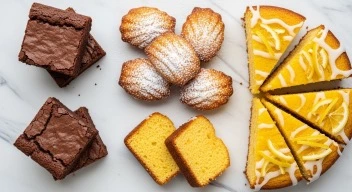
A. Salted Almond Flour Brownies
Rich and chewy with glossy tops—these are brownies reimagined. The almond flour adds chew and a nutty undertone that deepens the chocolate flavor.
Pro Tip: Add a pinch of espresso powder to intensify the cocoa. Sprinkle sea salt right after baking for a professional finish.
B. Lemon-Almond Olive Oil Cake
Bright, aromatic, and gorgeously moist. The olive oil creates a silky crumb, while almond flour gives body and tenderness.
Chef’s Method:
- Beat eggs with sugar until pale and airy.
- Add olive oil, lemon zest, and almond flour.
- Bake until golden and fragrant.
Serving Suggestion: Dust with powdered sugar and serve with whipped mascarpone or citrus curd.
C. Almond Flour Peanut Butter Cookies
Soft, chewy, and addictive. These cookies have just five ingredients: almond flour, peanut butter, sugar, egg, and a touch of salt.
Why They Work: Almond flour replaces the structure gluten would normally provide while adding fat and richness—resulting in melt-in-your-mouth texture.
Variation: Add chopped dark chocolate or drizzle with homemade caramel.
4. No-Bake Almond Flour Desserts (For Instant Gratification)
A. Almond Flour Chocolate Truffles
Smooth, rich, and sophisticated. Almond flour replaces cookie crumbs or filler starches, adding natural body.
How to Make:
- Mix melted chocolate, almond flour, and cream.
- Chill, then roll into balls and coat with cocoa or nuts.
Pro Tip: Add a drop of espresso or orange zest for dimension.
B. Almond Flour Cheesecake Crust
Forget graham crackers—this gluten-free crust is buttery and crisp.
How to Make:
- Combine almond flour, melted butter, and brown sugar.
- Press into the pan, bake briefly, and fill with cheesecake batter.
Flavor Upgrade: Add crushed pecans or shredded coconut for texture.
C. Almond Flour Energy Bites
Nutty, naturally sweet, and ideal for guilt-free snacking. Combine almond flour with dates, peanut butter, and a pinch of sea salt. Roll in coconut or cocoa powder.
Storage: Keep refrigerated for up to two weeks—if they last that long.
5. The Art of Balancing Texture in Almond Flour Baking
Because almond flour is high in fat, it can lead to overly dense desserts if not balanced properly. Chefs adjust structure using binders and aeration.
Pro Techniques for Perfect Texture
- Combine flours: Mix almond flour with tapioca or oat flour for lighter crumb.
- Use eggs strategically: Whipped egg whites add lift; yolks add moisture.
- Watch moisture content: Reduce oil or butter slightly when using almond flour.
- Cool completely: Almond-based desserts firm as they rest—don’t slice too soon.
For a deeper look at texture and hydration control, revisit: The Secret to Perfect Gluten-Free Cakes
6. Flavor Pairings That Make Almond Flour Shine
| Flavor | Why It Works |
| Chocolate | Enhances richness and adds balance |
| Citrus (lemon, orange) | Cuts through fat with freshness |
| Berries | Add brightness and moisture |
| Coffee | Deepens roasted almond notes |
| Honey | Natural sweetness that complements nuttiness |
| Coconut | Creates warmth and texture contrast |
Almond flour desserts

Almond flour desserts
Chef’s Favorites
- Almond + Raspberry: timeless, tart and nutty.
- Lemon + Olive Oil: Mediterranean luxury.
- Chocolate + Espresso: pure indulgence.
7. Storing Almond Flour Desserts
Almond flour retains moisture, so your desserts stay soft longer—but proper storage is key.
- Room temperature: Up to 3 days in an airtight container.
- Refrigerator: Up to 1 week, especially for moist cakes.
- Freezer: Up to 3 months—wrap tightly to prevent condensation.
Before serving, let desserts return to room temperature for best texture and aroma.
8. Troubleshooting Almond Flour Recipes
| Problem | Cause | Solution |
| Dense texture | Too much flour or not enough air | Whip eggs longer or add baking powder |
| Greasy | Excess fat in recipe | Reduce butter/oil by 10–15% |
| Crumbly | Not enough binder | Add an extra egg or ½ tsp psyllium husk |
| Overly moist | Underbaked | Lower temp slightly and extend bake time |
9. Almond Flour Dessert Pairings for Every Mood
| Mood | Dessert | Drink Pairing |
| Cozy evening | Flourless chocolate torte | Espresso or red wine |
| Summer brunch | Lemon-almond cake | Iced green tea |
| Holiday dinner | Almond apple tart | Spiced chai |
| Afternoon treat | Financiers | Earl Grey |
| On-the-go | Peanut butter cookies | Cold brew coffee |
10. Why Almond Flour Desserts Are Here to Stay
Gluten-free baking has evolved far beyond imitation—and almond flour is leading the charge. What once felt like compromise now feels like artistry. With every slice, crumble, and spoonful, almond flour desserts prove that you can have texture, flavor, and nutrition in one bite.
They’re versatile enough for every mood: indulgent, wholesome, refined, or nostalgic. And when you bake with almond flour, you’re not replacing gluten—you’re redefining dessert.
The Bottom Line
Almond flour doesn’t just make gluten-free desserts possible — it makes them extraordinary. Its natural richness, warmth, and moisture transform simple ingredients into something luxurious, whether you’re baking a rustic apple cake or an elegant chocolate torte.
Every dessert you create with almond flour tells a story: of patience, precision, and a little indulgence. It’s proof that gluten-free baking isn’t about sacrifice — it’s about reinvention. With every golden crumb and every buttery bite, you’ll realize that texture, depth, and satisfaction don’t belong exclusively to traditional flours.
So the next time your sweet tooth calls, answer it with almond flour. Bake boldly, taste often, and celebrate the kind of dessert that feels as good as it tastes — wholesome, fragrant, and irresistibly gluten-free.
Because true sweetness isn’t about perfection; it’s about joy — and almond flour delivers both, beautifully.
Read about the Health Benefits of Almond Flour