
Gluten-free custards and puddings.
Picture this: you scoop into a glass of vanilla custard so smooth it slips across your tongue like satin, or you dig into a pudding whose glossy surface cracks gently under your spoon—and inside, there’s something luminous, softly set, utterly indulgent. These are the desserts you expect in a gourmet patisserie—but made at home, without gluten.
Too often in gluten-free kitchens, custards and puddings fall short. They set too stiff, grainy textures lurk, or the flavors flatten out. The secret isn’t simply swapping flour; it’s understanding how custard systems work—how eggs, starches, dairy (or alternatives), heat, and rest combine to build velvet richness. And how gluten-free versions require subtle shifts in technique, ingredients, and timing.
In the sections ahead, you’ll find chef-tested strategies for mastering custards and puddings that are silky, stable, and elegantly refined. Whether you’re aiming for a classic vanilla crème, a dark chocolate pot de crème, or a dairy-free coconut panna cotta, this is how to elevate gluten-free desserts from comfort to culinary art.
Before you begin, make sure to review this guide for ingredient insight:
Gluten-Free Flours – A Complete Guide You Need To Know
1. Understanding the Structure of Custards & Puddings
At their core, custards and puddings rely on three transformative elements: protein coagulation (from eggs or egg alternatives), starch gelatinization (from corn, tapioca, or potato starch), and emulsion/stabilization (from fats, dairy or non-dairy creams, and thickeners). When done right, these create that silky texture and tender set.
In a traditional dessert, small amounts of wheat flour may add stability. But gluten isn’t necessary for custard structure—it’s the technique that matters. With gluten-free baking, you’ll depend more on starches and binders to replicate that delicate architecture.
For example, cornstarch or potato starch can replace wheat flour beautifully. Starch granules swell and trap water and fat, creating melt-in-your-mouth creaminess.
The takeaway: Choose your thickeners carefully (tapioca, potato, arrowroot), manage heat gently, and use proper emulsifiers. The result is elegance, not compromise.
2. Choosing the Right Ingredients for Gluten-Free Elegance
Gluten-free custards and puddings.
Gluten-free custards and puddings.
Eggs or Egg Alternatives
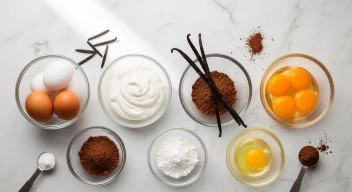
Egg yolks bring richness, color, and structure. If you use them, temper gently below 180°F (82°C) to prevent curdling. For egg-free or vegan options, combine starch with a strong binder like agar-agar or chia gel to create a similar texture.
Dairy or Non-Dairy Cream
Classic custard uses heavy cream or whole milk, but gluten-free custards work beautifully with certified gluten-free non-dairy creams like coconut or oat. Keep an eye on fat ratios—60% milk to 40% cream yields the best mouthfeel.
Thickeners & Stabilizers
Skip flour entirely. Instead, reach for cornstarch, potato starch, tapioca starch, or arrowroot. These starches gelatinize to give your custards smoothness and gloss. A small amount of xanthan gum or guar gum can boost stability and prevent weeping.
Flavor Base & Finish
Vanilla beans, citrus zest, dark chocolate, espresso, or floral infusions like lavender elevate your custard from basic to exquisite. Always finish with contrast: cracked sugar, caramel drizzle, roasted nuts, or fruit purée.
3. Classic Recipes with Chef Adjustments
Vanilla Bean Crème Brûlée (Naturally Gluten-Free)
Why it works: It’s rich, simple, and flour-free by design. Perfectly silky if you manage temperature and baking time.
Steps:
- Preheat the oven to 300°F (150°C). Prepare six ramekins.
- Heat 600 ml heavy cream (or 400 ml milk + 200 ml cream) with a split vanilla bean. Remove before boiling; steep 10 minutes.
- Whisk 6 egg yolks with 50 g sugar until pale.
- Slowly pour in the warm cream while whisking. Add a pinch of sea salt.
- Pour into ramekins; bake in a water bath 35–40 minutes, until just set with a soft wobble.
- Chill for 2–3 hours. Before serving, sprinkle sugar and caramelize with a torch.
Chef’s Tip: Always chill before torching—the sugar layer caramelizes evenly only on cold custard.
Dark Chocolate Pot de Crème
Why it works: A lush, intense dessert that doesn’t need flour—just precision.
Steps:
- Heat 300 ml cream and 50 ml milk until almost simmering.
- Pour over 200 g chopped dark chocolate; whisk smooth.
- Whisk 2 whole eggs + 2 yolks with 30 g sugar until pale, then temper with warm chocolate.
- Pour into ramekins; bake in a water bath for 30 minutes at 300°F (150°C).
- Chill 3 hours or overnight.
Chef’s Tip: Add a pinch of espresso or sea salt before chilling for a deeper flavor finish.
Coconut & Passion-Fruit Panna Cotta (Dairy-Free + Gluten-Free)
Why it works: This custard’s structure comes from gelatin, not gluten—naturally gluten-free and gorgeously tropical.
Steps:
- Bloom 2 tsp gelatin in 40 ml cold water.
- Heat 400 ml coconut cream + 100 ml milk alternative + 50 g sugar + 1 vanilla pod to 180°F.
- Stir in gelatin until dissolved.
- Pour into molds and chill for 4 hours.
- Top with passion-fruit glaze and toasted coconut.
Chef’s Tip: Use full-fat coconut cream (at least 20% fat) for richness. The acidity of passion fruit cuts through the sweetness for balance.
4. Technique Mastery: The Details That Define Perfection
To make custards and puddings feel restaurant-level, manage these elements carefully:
- Temperature: Eggs coagulate at 70–82°C; starches gelatinize at 65–75°C.
- Starch ratio: 8–12% of total weight for puddings; 10–15% for thicker custards.
- Fat balance: Fat slows coagulation but adds silkiness.
- Cooling: Let the dessert set fully before serving; rushing causes weeping.
- Flavor layering: Use fresh vanilla, zest, chocolate, or espresso to deepen flavor complexity.
For ingredient pairing help, revisit: Gluten-Free Flours – A Complete Guide You Need To Know
5. Troubleshooting Common Issues
Gluten-free custards and puddings.
Gluten-free custards and puddings.
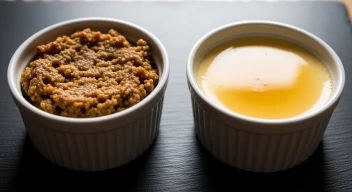
Gritty Texture: Overcooked or under-dissolved starch. Strain mixture and cook at lower heat.
Weeping Custard: Under-set proteins. Cook a bit longer, or add ½ teaspoon starch.
Rubbery Set: Overheated or too much starch. Reduce cooking time or adjust ratio.
Runny Center: Uneven baking or too low temperature. Use a water bath for steady heat.
Flat Flavor: Use fresh ingredients—especially vanilla and cream—and infuse longer.
The Bottom Line — The Art of Gluten-Free Luxury
When you understand how custards and puddings actually work—how heat, eggs, starch, and fat form a network—you realize how easy perfection can be. Gluten-free dessert making isn’t about mimicry. It’s about precision and care.
With gentle heat, deliberate thickening, and time for flavors to mature, you’ll create desserts worthy of a fine dining table. Your spoon will sink through silk. The flavor will linger. And no one will ask if it’s gluten-free—they’ll just ask for seconds.
Explore more dessert artistry at EverydayGlutenFree.com — where elegance meets freedom.