
Gluten-Free Caramel Sauce
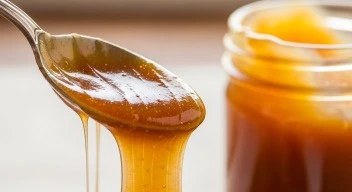
Few things feel as indulgent as warm caramel sauce cascading over ice cream, dripping from a spoon, or swirling into your morning latte. That glossy amber river carries an emotional punch — the scent of toasted sugar, the hush of bubbling butter, the way it clings to glass. It’s magic in motion.
But for many gluten-free bakers, caramel feels intimidating. Maybe it burned once. Maybe it seized. Maybe the texture turned grainy. The truth? Caramel isn’t complicated — it’s simply chemistry plus courage. When you understand how sugar transforms under heat and how to control moisture, gluten-free caramel becomes a foundational sauce that elevates any dessert, from cakes to custards.
The best part? Caramel sauce is naturally gluten-free — but the details still matter. Contamination, ingredient quality, and finishing technique separate a sticky mess from a professional-grade confection.
In this guide, you’ll learn everything you need to master the art of gluten-free caramel sauce — from choosing the right sugar and cream to rescuing mistakes like crystallization and burning.
By the end, you’ll have not just a recipe, but a new confidence — and maybe a jar of liquid gold cooling on your counter.
Before you start, brush up on the fundamentals of gluten-free dessert texture in this guide: Chef’s Secrets: The Best Gluten-Free Custards and Puddings
1. Understanding What Makes Caramel “Gluten-Free”
At its simplest, caramel sauce is made of four ingredients: sugar, butter, cream, and salt. None of these contain gluten inherently — the risk comes from cross-contamination or flavorings (like extracts or thickeners) that may include hidden gluten.
To ensure purity:
- Use certified gluten-free sugar and butter (most major brands already are).
- Avoid caramel color or flavoring additives unless labeled gluten-free.
- Always check your cream or non-dairy alternative — some stabilizers include gluten derivatives.
Reference: Celiac Disease Foundation — Hidden Sources of Gluten
Caramel is a celebration of simplicity. Once your ingredients are safe, the focus shifts to precision and sensory awareness — how the sugar bubbles, darkens, and perfumes your kitchen with toasted notes.
2. The Science Behind Perfect Caramel
Sugar changes in stages as it heats. It begins as clear syrup, then turns golden, then amber, then deep mahogany. At each stage, flavor compounds multiply. Light caramel tastes like butterscotch; dark caramel borders on smoky espresso.
Key stages of sugar caramelization:
- 320°F (160°C): Sugar melts and becomes clear.
- 340°F (171°C): Pale gold; buttery and light.
- 360°F (182°C): Rich amber; full caramel flavor.
- 370°F (188°C): Bitter undertones develop — perfect for adult desserts.
Your window of perfection is small — 5 to 10 seconds can shift your caramel from divine to destroyed. That’s why chefs watch color and smell more than temperature.
3. Ingredients That Matter (and Why)
Sugar
Use white granulated sugar for pure caramel flavor.
Organic cane sugar works but burns faster. Avoid brown sugar for this base — it’s better for butterscotch.
Butter
Unsalted butter gives control. Salted versions vary in intensity. If dairy-free, use vegan butter made from coconut oil blends (certified gluten-free).
Cream
Heavy cream adds smoothness and stops caramelization at the right point. Warm the cream slightly before adding — cold cream can make caramel seize.
Salt
Salt intensifies sweetness and balances richness. A small pinch of sea salt can transform the flavor from sweet to sophisticated.
Optional: Flavor Enhancers
- Vanilla bean or extract (add after heat is off)
- Espresso shot for depth
- Bourbon or rum for a grown-up touch
- Citrus zest for brightness
Each adds personality, but restraint is key — caramel’s strength lies in its purity.
4. Classic Gluten-Free Caramel Sauce Recipe
Ingredients
- 1 cup (200 g) granulated sugar
- 6 tbsp (85 g) unsalted butter, cubed
- ½ cup (120 ml) heavy cream, slightly warm
- ½ tsp fine sea salt
- Optional: 1 tsp vanilla extract or 1 tbsp bourbon
Instructions
Gluten-Free Caramel Sauce
Gluten-Free Caramel Sauce
- Start with a clean, heavy-bottomed saucepan.
Residue or uneven heat causes sugar to crystallize. - Add sugar and let it melt.
Heat on medium without stirring. Tilt or swirl occasionally until sugar begins to liquefy. - Watch for color.
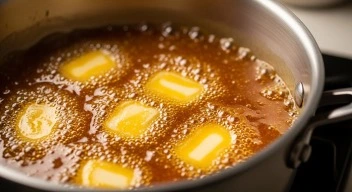
When the sugar becomes golden amber, lower heat immediately. - Add butter carefully.
It will bubble violently. Stir gently until combined. - Pour in warm cream.
Add slowly while stirring. The mixture will foam; keep whisking until smooth. - Add salt and flavor.
Once bubbling subsides, remove from heat. Stir in salt and any extracts or spirits. - Cool before using.
The sauce thickens as it cools. Store refrigerated for up to 3 weeks.
Chef’s Tip: If the sauce seizes or turns grainy, reheat gently and whisk in 1 tbsp warm water until smooth again.
5. Variations for Every Dessert Mood
Salted Caramel Sauce
Add 1 tsp flaky sea salt after cooling slightly. Drizzle over brownies, cookies, or ice cream.
Vegan Caramel Sauce
Swap heavy cream for coconut cream and butter for vegan margarine. The coconut adds warmth that pairs beautifully with chocolate or coffee.
Bourbon Caramel
Add 1 tbsp bourbon after removing from heat — the alcohol burns off, leaving a smoky note perfect for fall desserts.
Espresso Caramel
Whisk 1 tsp instant espresso powder into cream before pouring it in. Deep, roasted notes emerge, especially when paired with chocolate.
For more pairing ideas, see: The Secret to Perfect Gluten-Free Cakes
6. Common Caramel Mistakes (and Chef Fixes)
| Problem | Cause | Chef’s Solution |
| Sugar crystals form | Stirred too early or pan not clean | Add 1 tsp lemon juice or corn syrup at start |
| Sauce too thin | Under-cooked or excess cream | Simmer 2–3 minutes longer |
| Bitter flavor | Sugar overheated past 370°F | Start fresh; never walk away from caramel |
| Seized texture | Cold cream added | Warm cream before pouring |
| Greasy separation | Overheated after butter added | Reduce heat; whisk continuously |
Gluten-Free Caramel Sauce
Gluten-Free Caramel Sauce
Pro Tip: Caramel rewards mindfulness. Watch it, smell it, swirl it — once you see deep amber and smell toasted sweetness, it’s time.
7. Pairing Ideas — From Simple Drizzles to Showstoppers
Once you’ve mastered the base, gluten-free caramel can elevate almost anything.
Drizzle Over:
- Ice cream or yogurt
- Cheesecake or custard
- Gluten-free banana bread or apple cake
Swirl Into:
- Coffee or hot chocolate
- Whipped cream for mousse
- Buttercream for cupcakes
Glaze With:
- Roasted pears, apples, or figs
- Popcorn for homemade caramel corn
- Nuts for praline-style crunch
You can even fold cooled caramel into buttercream or ganache — it adds depth without overpowering sweetness.
Gluten-Free Caramel Sauce
8. Chef’s Notes on Texture and Temperature
How to Get Silky Caramel Every Time
- Avoid wooden spoons — use a silicone spatula to scrape the sides clean.
- Don’t overstir before the sugar melts; it encourages crystallization.
- Use medium heat and patience — fast boiling equals burnt notes.
- For glossy results, swirl instead of stirring during the early melting phase.
Storage
Once cooled, store caramel in an airtight jar in the fridge. It will thicken; warm briefly in the microwave or in a hot water bath before use.
Freezing
Pour cooled sauce into freezer-safe containers. Freeze up to 2 months. Thaw overnight in the fridge.
9. Advanced: Dry vs. Wet Caramel — What’s the Difference?
There are two main methods for making caramel, and understanding them gives you control over flavor and color.
Dry Method
- Only sugar in the pan, melted over medium heat.
- Produces a deeper, cleaner caramel flavor.
- Risk of burning if unattended.
Wet Method
- Sugar dissolved in water first (usually ¼ cup water per cup sugar).
- Cooks slower, more forgiving for beginners.
- Ideal for precise sauces and controlled browning.
Both yield gluten-free perfection — the choice depends on your confidence and mood.
Gluten-Free Caramel Sauce
10. Creative Gluten-Free Desserts Using Caramel
- Salted Caramel Apple Crisp — layer apples, gluten-free oats, and caramel drizzle.
- Banana Caramel Parfaits — alternate caramel with yogurt and sliced banana.
- Chocolate Caramel Tart — pour caramel over gluten-free crust and top with ganache.
- Caramel Latte Cupcakes — fill cupcakes with caramel core, frost with espresso buttercream.
- Caramelized Popcorn Clusters — toss hot caramel over popcorn and pecans for a party treat.
Want to pair it with something elegant? Try it with Gluten-Free Custard — the contrast of creamy and chewy will make your guests think you trained in Paris.
11. Troubleshooting Quick Guide
| Issue | What You See | What to Do |
| Crystals forming | Gritty sugar edges | Add drop of lemon juice at start |
| Caramel grainy | Overstirred after melting | Strain through fine sieve |
| Thick clumps | Sugar not melted evenly | Stir gently and lower heat |
| Separation | Fat breaking from sugar | Whisk in warm water a tablespoon at a time |
Chef’s Philosophy: Caramel rewards presence, not perfection. You’ll know you’ve mastered it when you stop checking the clock and start watching the color.
The Takeaway — Confidence in Every Drizzle
There’s something timeless about caramel — the way sugar transforms through fire and patience. Once you’ve felt that moment when the syrup shifts from gold to amber, and smelled its nutty perfume, you’ll never look at store-bought sauce the same way.
Making gluten-free caramel sauce isn’t a trick — it’s a practice in awareness. You don’t need gluten for texture or richness; you just need control, heat, and trust in your senses. The next time you bake a gluten-free cake, whip a mousse, or roast fruit, drizzle your homemade caramel and taste how balance feels: deep, buttery, and alive.
The real secret to perfect caramel isn’t sugar — it’s attention.